The commercial HVAC industry is heading into a decade of heavy investment. A report from Market Research Future, covered by Contracting Business in August 2026, projects that the global commercial HVAC market will grow from $52.50 billion in 2026 to $113.05 billion by 2035. That works out to a compound annual growth rate of 8.90%.
Numbers that size can feel distant when you manage an office building, a retail center, or a warehouse in Midland, TX. They are closer than they look. The same forces pushing global spending upward will shape your next equipment replacement, your next service call, and your next budget cycle. This article explains what is behind the commercial HVAC market forecast and what building owners and facility managers in West Texas can do with that information.
The Forecast in Plain Numbers
Here is what the report says, without the jargon:
- The market was estimated at $48.20 billion in 2025.
- It is projected to reach $52.50 billion in 2026 and $113.05 billion by 2035.
- The projected growth rate is 8.90% per year.
- Equipment made up 57.8% of market revenue in 2025. Services such as installation, maintenance, and repair made up the rest.
- North America is currently the largest regional market, led by the United States.
Put simply, the market is expected to more than double in under ten years. Most of that money is going into equipment, which tells you that owners are replacing and upgrading hardware and are no longer content to nurse old systems along.
Why Commercial HVAC Spending Is Climbing
Commercial HVAC market growth at this pace does not come from one cause. The report points to several pressures landing on building owners at the same time.
Data Centers and High-Density Cooling
The report names data centers as the fastest-growing application segment. Cloud computing and artificial intelligence workloads produce enormous heat, and every megawatt of computing needs cooling capacity to match. West Texas has drawn attention as a location for large data center projects because of its available land and energy supply. For the region, that points to more demand for chillers, precision cooling, and technicians who understand both.
Energy Codes and Efficiency Standards
Building energy codes keep tightening. ASHRAE standards and the International Energy Conservation Code set the baseline that new and replacement equipment has to meet. When an older unit fails, its replacement must satisfy current requirements, and that can change the footprint, the electrical needs, and the controls that come with it. Energy efficiency upgrades that used to be optional are becoming part of a standard replacement.
The Refrigerant Transition
Federal rules under the AIM Act are phasing down refrigerants with high global warming potential. New commercial equipment is moving to low-GWP refrigerants, and many of them carry an A2L classification, which means mildly flammable. That affects installation practices, leak detection, and technician training. It also affects how long older systems stay practical to service as legacy refrigerant supplies shrink. These rules have been revised more than once, so confirm the current requirements before you commit to a project.
Indoor Air Quality and Occupant Health
Tenants and occupants now expect more from ventilation and filtration. Healthcare facilities need specialized systems for infection control. Offices, schools, and retail spaces are paying closer attention to fresh air delivery and filtration. Better indoor air quality usually calls for more capable equipment and tighter control over how it runs.
Aging Equipment and Building Decarbonization
Many commercial buildings still run on equipment that is well past the midpoint of its service life. The report lists aging infrastructure alongside building decarbonization as long-term demand drivers. Commercial heat pump adoption is part of that shift, as owners look for ways to cut fuel use and operating cost at the same time.
What a Growing Market Means for Building Owners in Midland, TX
A market forecast is only useful if it changes a decision. These are the four effects most likely to reach a commercial property in the Permian Basin. To see how they apply to specific equipment, review the commercial HVAC systems we service across the region.
Equipment Decisions Are Getting More Technical
A like-for-like swap is less common than it used to be. New refrigerants, variable-speed drives, energy recovery ventilation, and demand-controlled ventilation all change how a system is designed and commissioned. An equipment replacement now involves more engineering judgment than matching tonnage on a nameplate.
Controls Are Now Part of the System
The report highlights smart controls, sensors, and building automation as central to system efficiency. A new unit tied to outdated controls will not deliver the performance it was built for. If your building runs on standalone thermostats or a legacy control panel, it is worth understanding what building automation systems can do before your next major purchase.
Qualified Technicians Will Be in Demand
The report acknowledges that new refrigerants and technologies create training and compatibility challenges across the industry. More equipment and more complexity mean more competition for technicians who can work on chillers, boilers, and automation. Building a relationship with a qualified contractor before something fails matters more in a busy market.
Budgets and Lead Times Need More Planning
High capital costs, supply chain disruptions, and material costs are all named in the report as industry challenges. The practical takeaway is simple. Owners who plan replacements ahead of time have more options than owners who buy under pressure after a failure in July.
Why West Texas Conditions Raise the Stakes
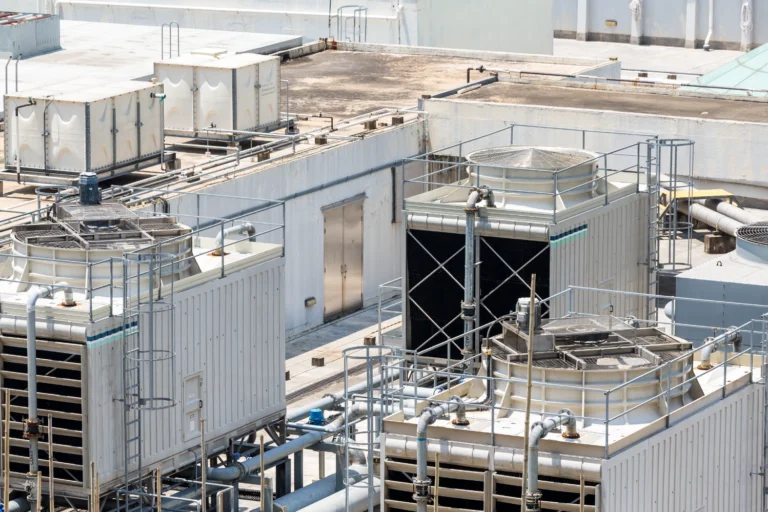
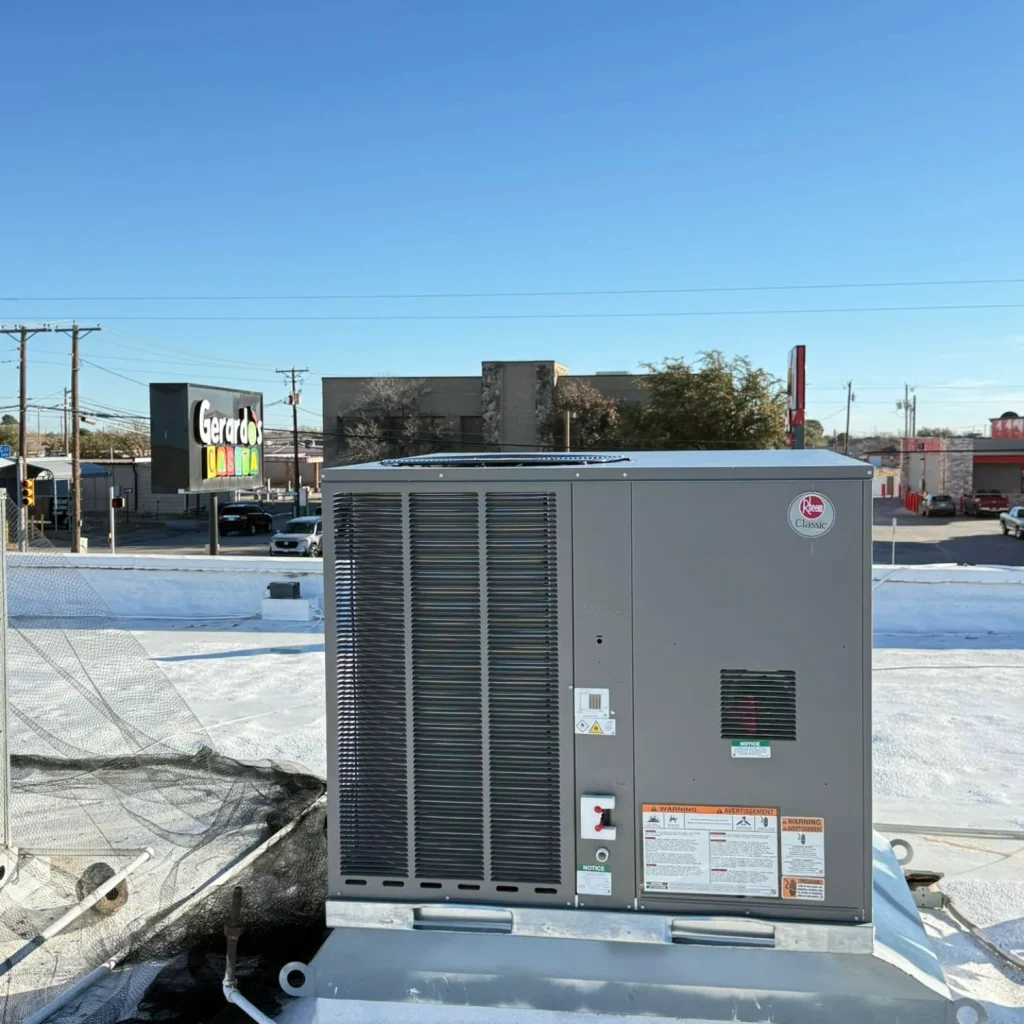
National forecasts assume average conditions. Midland is not average. Summer afternoons regularly climb past 100 degrees, the cooling season runs long, and wind carries dust and sand into every coil and filter on a rooftop. Rooftop units here log more runtime hours under heavier load than the same model in a milder climate.
That has two consequences. First, equipment in West Texas tends to show its age sooner, so the national trend toward replacing aging HVAC equipment arrives here early. Second, the efficiency gains from newer equipment and better controls are worth more in a climate where the system rarely gets a rest.
Five Steps Facility Managers Can Take Now
You do not need to react to a ten-year forecast overnight. You do need a plan. These steps give you one.
- Build an equipment inventory. List every unit with its age, tonnage, refrigerant type, and current condition. You cannot plan around equipment you have not documented.
- Identify your refrigerant exposure. Find out which systems run on refrigerants that are being phased down. Those units are the ones where a major leak or compressor failure can turn a repair into a replacement conversation.
- Evaluate your controls. Ask whether your current controls can schedule, monitor, and report on your equipment. If they cannot, you are likely paying for runtime you do not need.
- Put maintenance on a schedule. Regular filter changes, coil cleaning, and inspections extend equipment life and surface problems while they are still small. A preventive maintenance agreement makes that schedule automatic instead of something that slips during busy months.
- Plan capital replacements over several years. Rank your equipment by risk and spread replacements across budget cycles. A phased plan protects you from replacing several failed units in the same season.
How GenMech HVAC Helps Building Owners Plan Ahead
GenMech HVAC is a veteran-owned, family-operated HVACR contractor that has served West Texas since 2008. Our technicians bring more than 30 years of combined experience with chillers, boilers, building automation, commercial refrigeration, and rooftop equipment. We service systems from manufacturers including Trane, Lennox, Rheem, and Bryant.
That range matters in a market that keeps getting more technical. The same team that handles your commercial HVAC repair can also assess your controls, your commercial refrigeration equipment, and your long-term replacement plan. You can see the full scope of our commercial HVAC services on our website.
Frequently Asked Questions
How large is the commercial HVAC market expected to be by 2035?
According to the Market Research Future report, the global commercial HVAC market is projected to reach $113.05 billion by 2035, up from $52.50 billion in 2026. That reflects a compound annual growth rate of 8.90%.
What is driving growth in the commercial HVAC industry?
The report credits building decarbonization, energy efficiency requirements, data center construction, and growing attention to indoor air quality and occupant health. Refrigerant regulations and aging equipment add further pressure to upgrade.
Does the forecast mean commercial HVAC equipment will cost more?
The report does not predict specific prices. It does list high capital costs, supply chain disruptions, and material costs as industry challenges. The safest response is to plan replacements early so you are choosing equipment on your schedule and not during an outage.
Should I replace my commercial HVAC system now or wait?
It depends on the age of the equipment, its repair history, the refrigerant it uses, and how critical it is to your operation. An onsite assessment gives you a clearer answer than any general rule. Some systems have years of reliable service left with proper maintenance, and others are costing more to keep than to replace.
How does building automation fit into these industry trends?
Automation is how modern equipment reaches its rated efficiency. The report notes that building automation and energy management platforms allow broader system optimization. For a facility manager, that means scheduling, remote monitoring, and early warning when a unit drifts out of normal operation.
The Bottom Line for West Texas Facilities
A commercial HVAC market forecast of $113.05 billion by 2035 reflects real changes in how buildings are cooled, heated, and controlled. Tighter codes, new refrigerants, smarter controls, and aging equipment are arriving together. Building owners who document their equipment, maintain it on a schedule, and plan replacements in phases will handle the next decade with fewer surprises.
If you would like a clear picture of where your building stands, the GenMech HVAC commercial team can help. Call (432) 528-8905 to schedule a commercial assessment for your facility in Midland, TX or the surrounding West Texas area. Every building is different, and we will give you an honest evaluation based on your equipment and your needs.